









 Twitter
 Facebook
 LinkedIn
 Flickr
 Pollinator Gardens
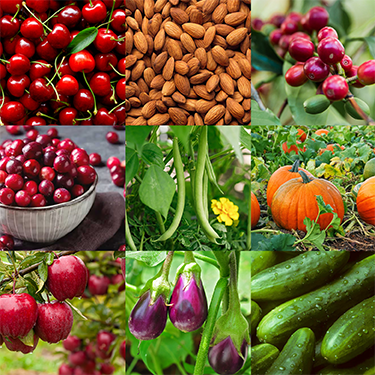
One in three mouthfuls of food and drink people consume is dependent on the work of pollinators. Wisconsin crops that rely on pollinators (including apples, cherries, green beans, cucumbers, and cranberries) account for over $55 million in annual production.
JAY WATSON Conservation Biologist, WI Department of Natural Resources
Three quarters of the world’s flowering plants need pollination. Pollinators assist 180,000 different plants around the world grow and thrive. Plants clean our air, provide topsoil, vegetables, and fruits. The US National Park Service shares that pollinators support healthy growth and production of over 1,200 food crops.
Activity 1 – Pollinators
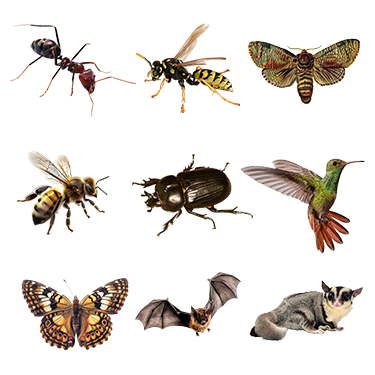
Pollinators help move pollen from one part of a flower to another, after wind and water distribute pollen to fertilize plants. Fertilization helps plants make seeds, grow fruits and vegetables, and produce new plants. Many plants need help from insects and animals like bees, butterflies, birds, bats, and even some small mammals to land on pollen, spread it to flowers, and support the reproduction of fruits and vegetables. Pollinators like bees visit flowers to find nectar as their food source. They then share it with their offspring to support their growth and maturation. food, shelter, and nest-building materials. Some pollinators collect pollen on purpose to . Others, like butterflies or birds, carry pollen accidentally as they move. As they drink nectar or land on flowers, pollen sticks to their bodies and gets carried to the next flower they visit. This is how pollination happens!
Activity 2 – Planting a Pollinator Garden
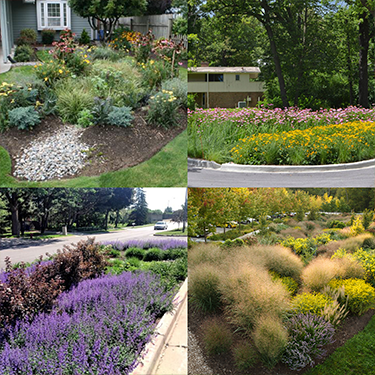
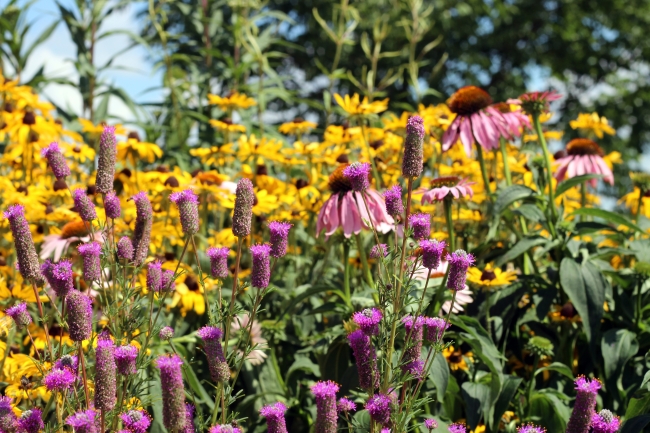
To plan a pollinator garden, first find a sunny location. Turn over the soil. Locate a water source for bees and birds to drink. Common pollinator perennials include Asters, Bee Balm (Monarda), Black-eyed Susans (Rudbeckia), Coneflower (Echinacea), Goldenrod (Solidago), and Salvia. Serviceberry shrubs, viburnums, Dogwoods, and Redwoods also attract pollinators. To plant a pollinator garden, select a variety of indigenous flower shapes, colors, and bloom times (spring to fall). Plant the flowering plants in clumps, surrounding them with leaf litter and brush piles. Annuals such as Cosmos, Mint, Thyme, Lavender, and Zinnia are hardy and provide shade and sunshine for pollinators. Monarch butterflies seek Milkweed and are the prime butterfly attraction, home to eggs and caterpillars. Pollinator gardens DO NOT USE pesticides, herbicides, or insecticides, but maintain nature’s services of soil, moisture, and indigenous plantings.
Activity 3 – Pollen
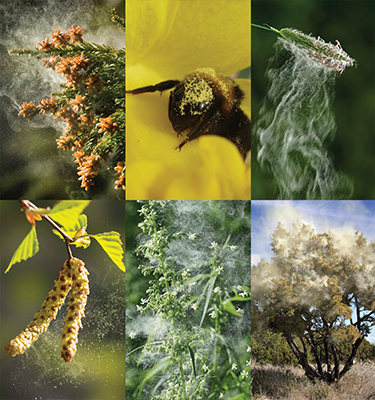
The fine, powdery substance produced by trees, grasses, and weeds for plant reproduction is known as pollen. The microscopic grains are released into the air and fertilize plants. Pollin acts as the male gametophyte (sperm cell) in flowering plants and conifers, which are necessary for seed formation. While crucial for nature, wind-dispersed pollen often triggers seasonal allergies, such as runny noses, sneezes, and watery or itchy eyes. In the spring, oak, birch, and cedar trees release pollen, triggering allergies in some people. The pollen from grasses aggravates symptoms in the summer. In the fall, ragweed and other weed pollens cause sneezing. Pollen makes us sneeze, but it is important. Almost 80% of plants worldwide require pollination. One in every three bites of food we eat comes from a plant that has been pollinated by moving pollen from one flower to another, which starts the formation of a fruit or seed. In the food chain, birds and other small mammals depend on fruits and seeds to survive. Pollen is beautiful!
Activity 4 – Conservation of Pollinators
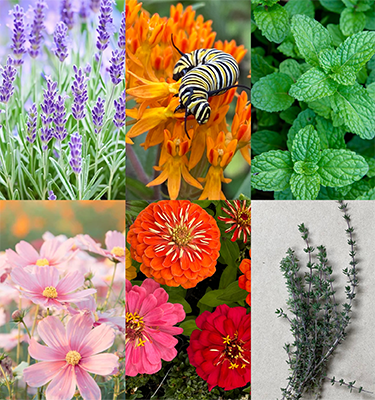
Pollinator populations are declining due to climate change, pesticide use, habitat loss, and disease. People can help slow the decline of bees and bats with community conservation efforts. Increasing native plant gardens is a first step. Adding flowering bioswales as nesting habitats is another. Plant densely and ensure a continuous food supply from spring through autumn, while also leaving bare soil patches for ground-nesting bees. Pollinator gardens are colored with flowers, diverse plants, and can create biowswales, planted gardens on sidewalks, and yards.
Activity 5 – Cross Pollination
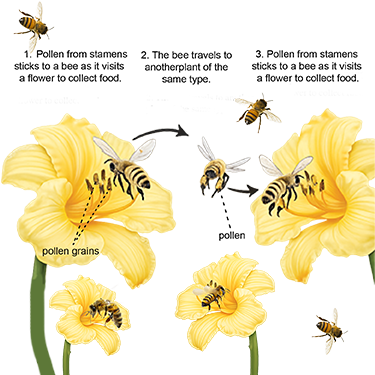
Different insects and animals eat pollen. Pollen (often referred to as “bee bread”, is a nutrient-dense, high-protein food source primarily consumed by bees and other insects to support their larvae and energy needs.
It is also used as a nutritional supplement for humans, providing protein, vitamins, and amino acids. Cross-pollination moves pollen from one plant to another. Cross-pollination, or the transfer of pollen from the anther of one plant’s flower to the stigma of another plant’s flower of the same species, supports healthier, more adaptable offspring, higher yields for many fruit-bearing plants, and increased genetic diversity.
Activity 6 – Pollinator Plants
Knowing how to plant a pollinator garden is important.
Review
- One out of every three bites of food people eat depends on pollinators.
- Which of these animals can be pollinators?
- What is pollen?
- Pollinator gardens should use pesticides and insecticides to protect plants.
- Which plant is especially important for monarch butterflies?
- Pollinators help plants grow fruits, seeds, and new flowers.
- Why are pollinators declining?
Explore
Relate
- Air

- Biodiversity

- Biomes

- Biomimicry

- Biophilia

- Birds

- Climate Resilience

- Earth

- Eating Local

- Ecosystems

- Flowers

- Food

- Gardens
- Green Home

- Green Roofs
- Growing food

- Landscape

- Nature

- Parks

- Place Exploration

- Plants

- Pocket Parks

- Rain Gardens

- Roofs

- School Gardens

- SEEDS

- Site Analysis

- Soil

- Sunlight

- Temperature

- Time

- Vegetable gardens

- Vermiculture

- Weather






All contents copyright © NEXT.cc. All rights reserved. Terms of Use