









 Twitter
 Facebook
 LinkedIn
 Flickr
 Airport Design
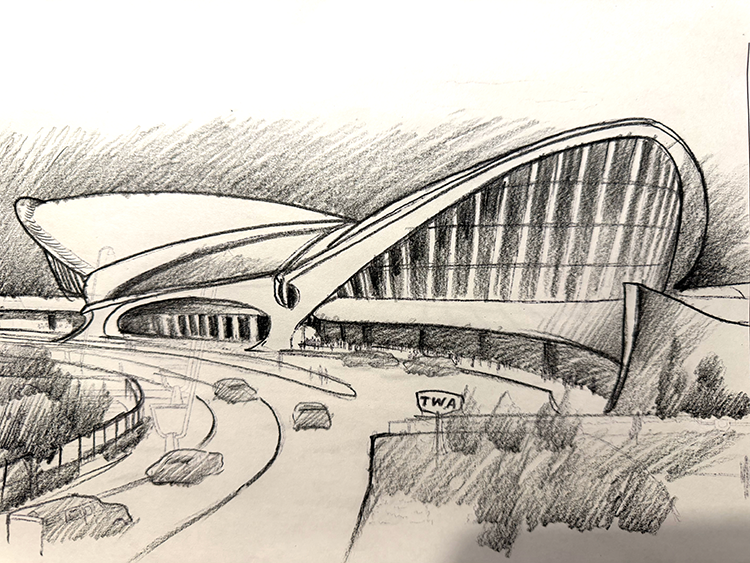
Can you imagine flying above the clouds? What is it like to travel across the sky? Have you ever traveled in an airplane? Can you imagine waking up in your bedroom in the morning and finding yourself on the other side of the world in the afternoon? World travel via airplanes is only about 100 years old. Today, 5-10% of the world’s population travels on airplanes. Thousands of people from diverse cultures come and go every hour. Some are excited, some are tired, some are late, some are traveling for the first time, and many are traveling with families. Everyone is carrying bags, checking screens, looking for gates, waiting in lines, and trying not to miss a flight. Airports are among the most complex buildings in the world, but when well designed, they should feel simple. Airport design is about designing a journey. A good airport helps people understand where to go without having to ask too many questions. It gives them space to breathe, clear signs to follow, quiet spaces to rest, and moments of comfort during a stressful trip. Architects, planners, engineers, interior designers, landscape designers, lighting designers, and many other people work together to make this happen. Airports are busy places, moving people around the globe. What would you like to see in airports?
Activity 1 – Journeys of the passangers
The first thing architects think about when designing an airport is the passenger journey. This means the path people take from the moment they arrive until they board the plane. A typical journey includes arrival, check-in, security, passport control for international flights, waiting areas, boarding, and sometimes baggage check-in and claim. Each step needs to feel connected to the next one. If the journey is confusing, people become stressed. If the path is too long, people get tired. If the space is too crowded, people feel trapped. Good airport design creates a clear flow, almost like a story with chapters.
The best airport layouts help passengers move naturally. You should not need to stop every few minutes and ask, “Where do I go now?” The architecture, signs, lighting, ceiling height, and floor patterns should quietly guide you. For example, a large open hall can help people understand where they are. A lower ceiling near security can make the process feel more controlled. A brighter space after security can create relief, like saying, “You made it. Now relax.” When you enter an airport, what is the first thing you usually look for?
Activity 2 – Wayfinding, Signage, and Security
Wayfinding is the design of how people navigate a space. In airports, wayfinding is extremely important because people are often in a hurry. Good wayfinding is not only about signs. It includes architecture, lighting, colors, landmarks, views, and the position of important spaces. A well-designed airport uses all these elements together. Signs should be simple, readable, and placed where people naturally look. Most airports have large thoroughfares for incoming and outgoing customers. The first stop is always to check which gate your flight is departing from. Once located, the next stop is the baggage check-in for those with more than one carry-on. The second sign directs passengers to different airplane terminals and to security gates. At the security gates, carry-on bags, laptops, purses, water bottles, and other items are X-rayed and cleared. If no prohibited items are found. Passengers are then X-rayed for prohibited carry-ons. Once through security, the right and left sides of the thoroughfares offer seating, cafes, food, water fountains, stores, restrooms, and more. The goal is not to cover the airport with information. The goal is to give the right information at the right moment. Architects also use visual landmarks. This could be a large window, a sculpture, an outdoor garden, an indoor Yoga classroom, a colorful mural on the walls, a special ceiling design, or a visible control tower. These features help people remember places. Instead of saying, “Meet me near Gate B12,” someone might say, “Meet me by the big glass wall or the coffee shop.”
A good airport helps people feel oriented. You know where you came from, where you are, and where you need to go next.
Activity 3 – Entries and exits
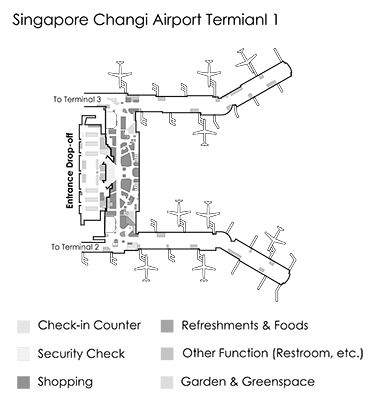
Entry and exit points to airports are clearly marked for incoming and outgoing buses, cars, Ubers, etc. The entry and exit doorways are usually on different levels.
The outside walkway needs to be wide for people, suitcases, and pick-ups and drop-offs.
Inside the airport, the entry space needs to have a high ceiling and wide clearances for people traveling up a flight and down to baggage pickup. Mezzanines feature artistic, cultural murals of the city and region where the airport is located. Sometimes, living walls are located in areas where passengers can sit and wait before departure or pickup. AIrports should be inviting!
Activity 4 – Security Check In
Security is one of the most sensitive parts of airport design. It needs to be safe, organized, and efficient. At the same time, it should not make passengers feel like they are moving through a factory. This is a difficult balance. Security areas need enough space for lines, trays, scanners, staff, and people collecting their belongings afterward. Many airports fail at the last part. People often feel rushed after the scanner because they are trying to put on shoes, grab laptops, collect bags, and move away quickly. Good design gives people enough space before and after security. The area before security should help passengers prepare. The area after security should allow them to reorganize without blocking others. Lighting and materials matter. Harsh lighting and dark colors can make the space feel stressful. Clear views, calm materials, and organized lanes can make the process feel less intimidating. Security will always be serious, but the architecture can make it feel more humane.
What part of airport security feels most stressful to you? How would you change the steps into through and out of secuirty?
Activity 5 – Refreshments and SHopping
The airlines also offer social areas such as cafes, restaurants, children’s play areas, newspapers, magazines, and books. These commercial areas offer distractions while passengers are waiting to board. They include local t-shirts, hats, sunglasses, sleeping pillows, snacks, salads, sandwiches, drinks, and more. Having options encourages passengers to keep walking through their airport sections, read a paper, work on a computer, call a friend, etc. Shops also offer passengers fresh food and snacks for the flight. Some airports have outdoor gardens to calm passengers, children play areas, yoga areas, maps of cultural attractions to visit, and more. What would you like to see at an airport?
Activity 6 – Waiting Areas
Most airports ask passengers to arrive an hour before travel, or two hours before travel to foreign countries. Most passengers spend a lot of time waiting. They wait before boarding, during delays, between connecting flights, and sometimes after landing. So, waiting areas are a major part of airport design. A good waiting area is not just rows of chairs. People need different types of seating. Some want to sit alone. Some travel with family. Some need to work on a laptop. Some want to charge their phone. Some want to sleep for a short time. Some just want to look out at the airplanes. This is why modern airports often include lounge-style seating, work tables, charging stations, quiet corners, children’s play areas, and open views to the runway. Comfort is not a luxury here. It is part of making the airport function better. When people are comfortable, they are calmer. When they are calmer, the whole airport feels more organized. Even small design choices matter. A chair with a charging outlet nearby can change someone’s travel experience. A window with natural light can make a delay feel less painful. Some airports are including living walls, adding plants and trees. If you could redesign an airport waiting area, what would you add first?
Activity 7 – Airport Spatial Experiences
Airports are emotional places. People say goodbye, reunite, move to new cities, start vacations, return home, or travel for important life events. Architecture can support these emotions. Natural light is one of the most powerful tools in airport design. Large windows, skylights, and open halls can make a building feel calm and uplifting. Light helps people understand time, especially during long travel days. Space also matters. High ceilings create a sense of openness. Long views can make people feel less trapped. Clear glass can connect passengers to the sky, airplanes, and the city outside. Some airports use architecture to create a sense of excitement. Others use calm materials like wood, stone, or soft colors to reduce stress. The design should match the place’s identity. An airport is often the first and last impression of a city. That means it should not feel like a random building. It should give travelers a small taste of where they are. What kind of feeling should an airport give you: calm, excitement, luxury, speed, or something else?
Activity 8 – Airport Functions and Operations
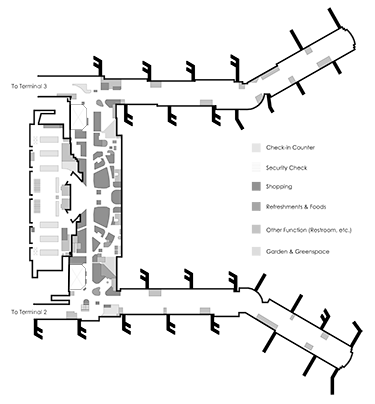
A large airport works almost like a small city. It has transportation systems, shops, restaurants, restrooms, lounges, offices, service areas, storage rooms, maintenance zones, and emergency systems. Behind the public spaces lies a hidden world. Baggage systems move luggage under the floors and behind walls. Staff corridors allow workers to move without crossing passenger areas. Service roads, loading docks, kitchens, and mechanical rooms keep the airport running. This is what makes airport design so challenging. The building must be beautiful and easy for passengers, but it must also handle complex operations behind the scenes. What part of the airport do you think is most complicated behind the scenes?
Activity 9 – Inclusive Airport Design
Airports are used by almost everyone: children, elderly travelers, people with disabilities, business travelers, tourists, families, students, and people who are nervous about flying. This means airport design must be inclusive. Inclusive design means making spaces that work for as many people as possible. Clear signs help people who do not know the language. Elevators and ramps help people with mobility needs. Quiet rooms can help travelers who feel overwhelmed. Family restrooms help parents with young children. Good seating helps elderly passengers rest. Designers also need to think about people who are not familiar with airports. A first-time traveler should be able to understand the space without feeling embarrassed or lost. This is one of the most important lessons in architecture: design is not about the average person. It is about real people with different needs. What is one airport feature that would make travel easier for families, elderly people, or first-time travelers?
Review
Explore
Relate








All contents copyright © NEXT.cc. All rights reserved. Terms of Use